
Why Batch Numbers and Manufacturer Details Matter in Imported Medicines
Small Details Can Make a Big Difference in Patient Safety
When patients receive imported medicines, most attention naturally focuses on the medicine name and treatment indication.
However, behind every genuine medicine lies an important layer of traceability information that helps protect patient safety.
Two of the most critical elements are:
- Batch or lot numbers
- Manufacturer details
These identifiers help healthcare providers and regulators verify authenticity, production history, and supply-chain integrity.
What Is a Batch Number?
A batch number (also called a lot number) is a unique identifier assigned during manufacturing.
Medicines produced during the same manufacturing cycle are grouped under a specific batch.
This system allows manufacturers and regulators to:
- Monitor quality standards
- Track distribution history
- Investigate quality concerns
- Manage recalls if necessary
- Verify manufacturing consistency
Batch traceability is a core component of pharmaceutical quality assurance.
Why Manufacturer Information Is Important
Manufacturer details help confirm:

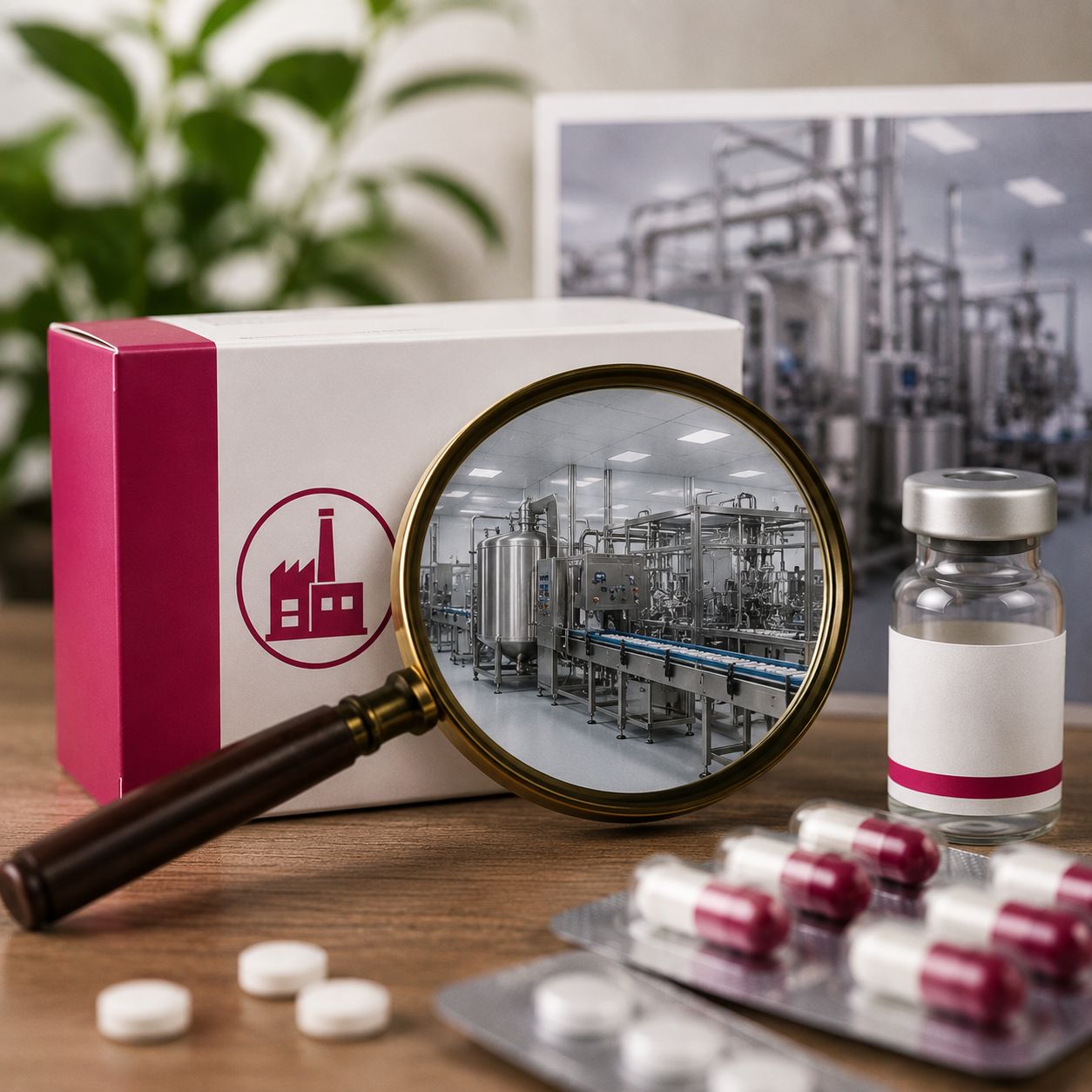

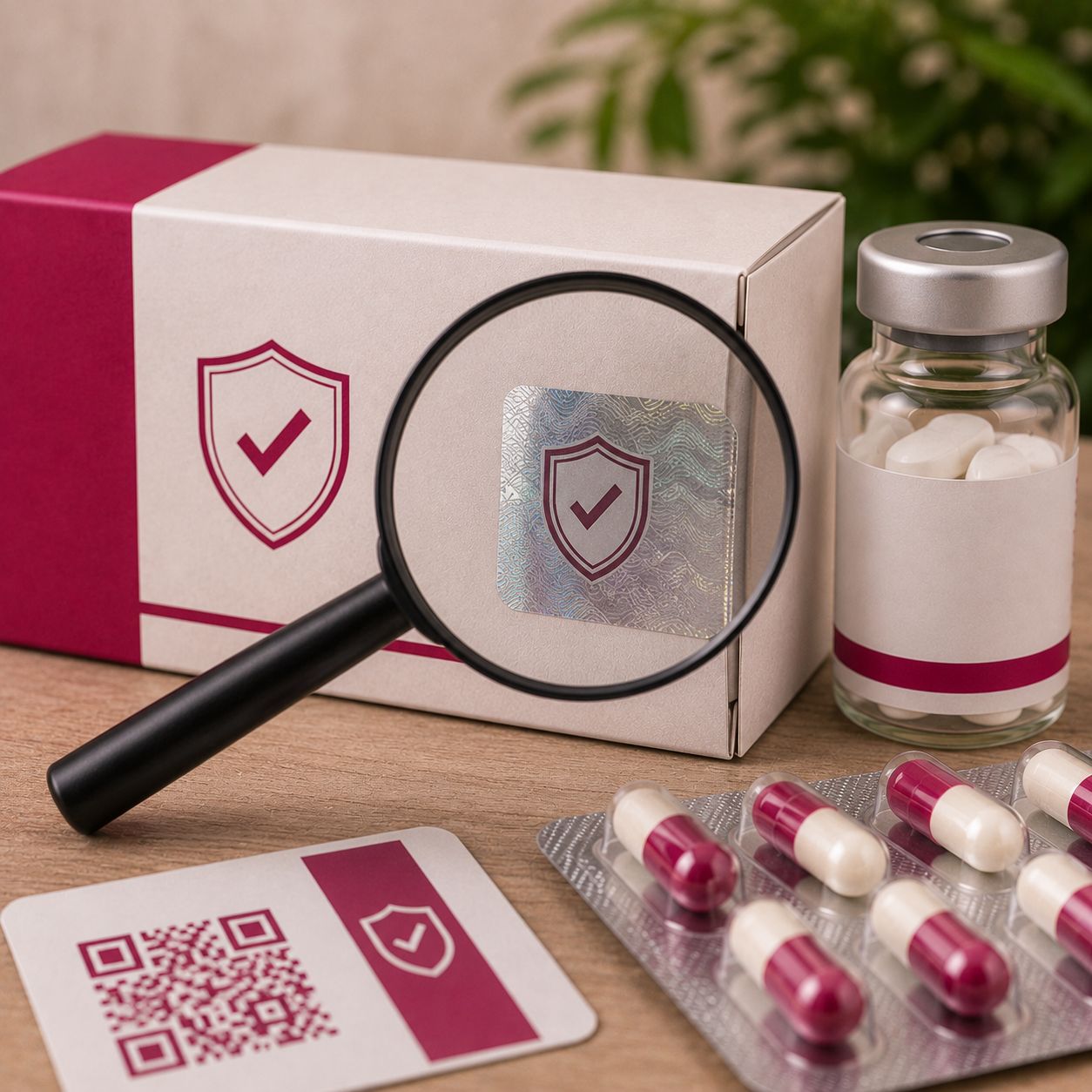
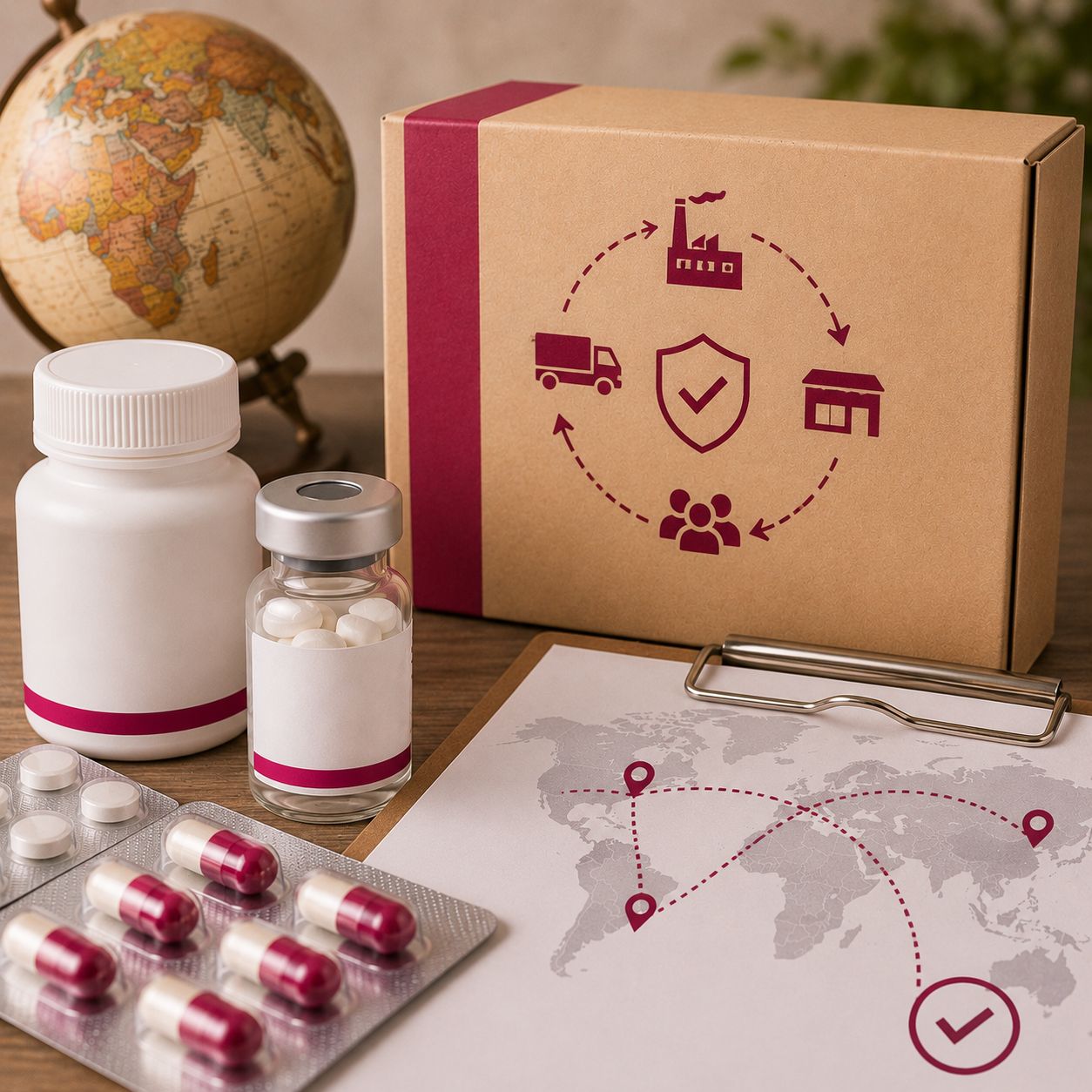
Counterfeit products may imitate packaging but often contain inconsistencies in manufacturer information, printing quality, or labeling.
Common Red Flags Patients Should Watch For
Patients and hospitals should carefully inspect:
- Missing batch numbers
- Smudged printing
- Altered labels
- Incorrect expiry formatting
- Spelling errors
- Packaging inconsistencies
- Tampered seals
Any irregularity should be clarified before medicine administration.
Why Traceability Matters in Specialty Medicines
Traceability becomes especially important for:
- Oncology therapies
- Biologics
- Immunotherapies
- Injectable products
- Temperature-sensitive medicines
These products often involve complex manufacturing and handling requirements.
Even minor deviations in sourcing or storage can affect treatment quality.
Example: Importance During Product Recalls
Suppose a manufacturer identifies a quality issue affecting a specific production batch.
Without batch traceability:
- Hospitals may struggle to identify affected stock
- Patients may continue using compromised products
- Investigations become more difficult
Proper batch documentation helps improve response speed and patient safety.
Importance During International Logistics
Imported medicines may pass through:
- International warehouses
- Customs checkpoints
- Airport handling systems
- Cold-chain transport networks
Maintaining traceable documentation throughout this journey helps preserve accountability.
How Responsible Suppliers Maintain Traceability
Professional medicine access providers should maintain:
- Batch records
- Manufacturer verification
- Shipping documentation
- Import records
- Storage and handling information
- Delivery traceability
Transparent documentation helps build trust between patients, hospitals, and providers.
Role of Hospitals and Doctors
Healthcare professionals should encourage:
- Documentation verification
- Batch record retention
- Procurement transparency
- Traceable sourcing practices
These measures support stronger patient safety systems.
Final Thoughts
Batch numbers and manufacturer details may appear small on a medicine package, but they play a major role in protecting patient safety.
Traceability, transparency, and proper documentation are essential safeguards against counterfeit or mishandled medicines.
Patients should always work with providers who prioritize accountability and responsible sourcing.